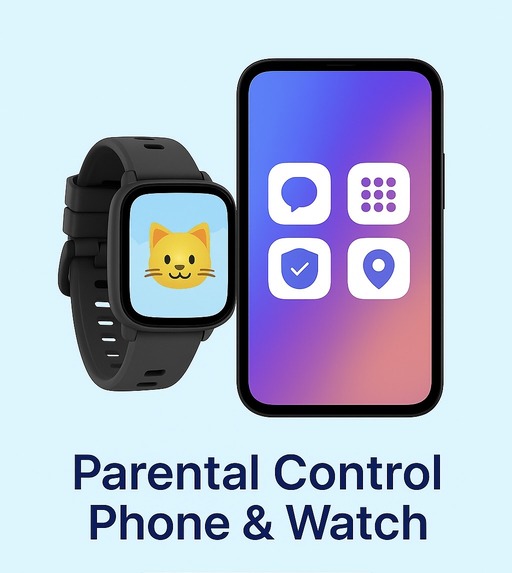
✔ Detects cyberbullying, predators, & threats
✔ Tracks real-time GPS location
✔ Sends instant alerts for risky activity
✔ Blocks explicit, violent, or unsafe websites
✔ Sets screen-time limits and bedtime schedules
✔ Lets parents approve contacts & apps
✔ Keeps data private & secure
The Ultimate Guide to Healthy Screen Time for Kids (By Age and Stage)
For most parents, screen time feels like a moving target. What felt reasonable last year suddenly feels excessive. Rules that once worked now lead to arguments. Advice from friends, schools, and social media often contradicts itself.
The truth is, healthy screen time isn’t about a single number of minutes per day. It’s about matching technology to a child’s stage of development.
As research evolves, experts agree on one thing: kids don’t need less technology—they need better-structured technology. This guide walks through what healthy screen time actually looks like at different ages, and why parental-controlled phones and safe smartphones for kids are becoming a foundational tool for modern families.
Why Age Matters More Than Time
Children don’t experience screens the same way adults do. Their brains, emotional regulation, and impulse control develop gradually. What feels manageable for a twelve-year-old may be overwhelming for a six-year-old—even if both spend the same amount of time on a device.
That’s why age-based guidance matters. Instead of asking, “How many hours is okay?”, experts now recommend asking, “What role does this device play in my child’s daily life?”
A phone used primarily for communication and safety has a very different impact than one built around entertainment and endless content.
Ages 4–6: Building the Foundation
At this stage, screens should support—not replace—real-world experiences.
Young children are still developing attention span, emotional awareness, and self-regulation. When screen use is unstructured, it can interfere with these skills. However, limited and intentional screen time can also support learning and curiosity.
Experts recommend that technology at this age be:
- Predictable, not spontaneous
- Supervised or shared
- Free from open internet access
This is where child-safe devices shine. Phones designed for kids allow basic communication without exposing children to adult content or addictive design patterns. When screens turn off automatically and apps are limited, children don’t feel the pressure to constantly engage.
At this stage, technology should feel calm and boring—and that’s a good thing.
Ages 7–9: Guided Independence
As children grow, so does their desire for independence.
This is often when parents start considering a phone, especially for coordination, after-school activities, or emergencies. The challenge is introducing independence without handing over too much responsibility too soon.
Healthy screen time for this age group focuses on:
- Communication with trusted contacts
- Clear daily limits
- No social media or unrestricted browsing
Kids at this stage benefit enormously from parental-controlled phones. These devices allow children to practice digital responsibility in a protected environment. They can text or call parents, learn basic etiquette, and begin managing limited access—all without being overwhelmed.
Because boundaries are built into the device, parents don’t need to constantly negotiate. The rules simply exist.
Ages 10–12: Learning Responsibility Without Pressure
This age range is where many screen struggles begin.
Preteens are more socially aware, more curious, and more sensitive to comparison. At the same time, their emotional regulation is still developing. Introducing adult-level apps and platforms during this stage can increase anxiety, distraction, and sleep disruption.
Healthy screen use here focuses on balance.
Kids do best when:
- Screen time follows consistent routines
- Devices shut down at night
- Entertainment doesn’t dominate free time
Safe smartphones for kids are particularly effective at this stage because they grow with the child. Access expands gradually. Expectations are clear. Digital habits form slowly, rather than all at once.
This approach reduces the pressure many kids feel when they’re suddenly exposed to adult digital spaces before they’re ready.
Teens: Structure Still Matters
By the teenage years, many parents feel pressure to loosen all boundaries. After all, teens need freedom, right?
Freedom without structure, however, often backfires.
Teen brains are still developing impulse control, emotional regulation, and risk assessment. Unrestricted access during this stage can amplify stress, sleep deprivation, and social comparison.
Healthy screen time for teens includes:
- Technology-free sleep hours
- Transparent expectations around usage
- Ongoing conversations about digital well-being
Even teens benefit from structure. When limits are predictable and fair, they’re less likely to push against them.
Why Device Design Makes or Breaks Screen Habits
One of the biggest mistakes parents make is assuming all phones are the same.
Adult smartphones are built to maximize engagement. They reward constant interaction, encourage comparison, and make it difficult to stop scrolling. No amount of discipline can fully counteract that design—especially for children.
Devices built specifically for kids remove these pressure points. They limit distractions before habits form. They reduce conflict by enforcing rules automatically. Most importantly, they create a calmer digital experience that aligns with a child’s developmental needs.
Healthy Screen Time Is About Predictability, Not Control
Children thrive on consistency. When screen time rules change daily, kids feel anxious and frustrated. When boundaries are predictable, kids adapt.
Parents who report the healthiest screen relationships tend to:
- Set rules once and stick to them
- Use technology to enforce limits
- Avoid emotional reactions around screens
This doesn’t require perfection. It requires intention.
A Long-Term Perspective
Healthy screen time isn’t something parents achieve once—it’s something families build over years.
Starting with safe, structured devices allows children to develop digital skills without sacrificing focus, sleep, or emotional health. It creates a foundation that makes future independence easier, not harder.
Technology will always be part of childhood. The question is whether it grows with children—or overwhelms them.